

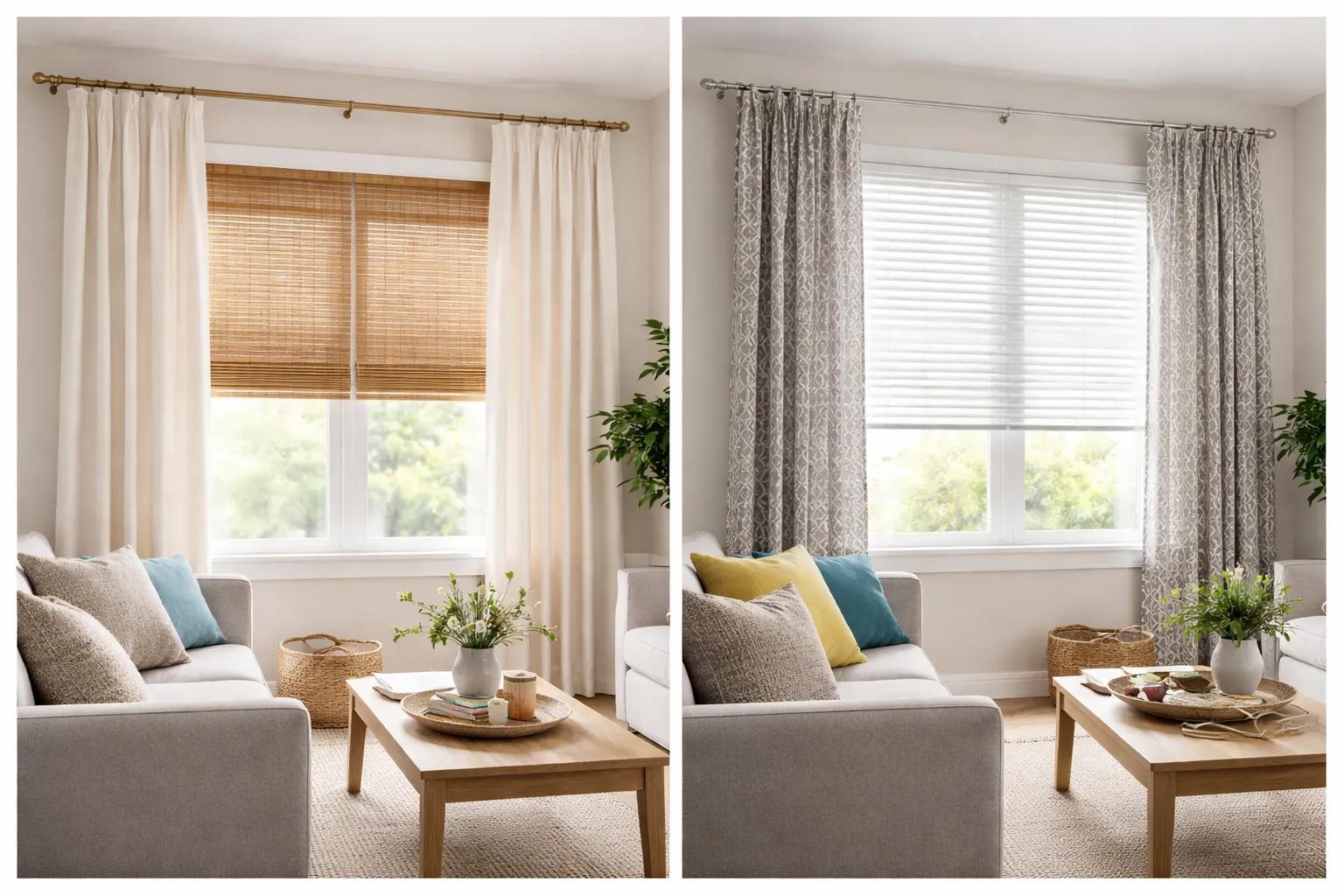
When it comes to interior design, window treatments are often a key element that impacts both the function and aesthetic of a room. Blinds and curtains Dubai, in particular, play an essential role in providing privacy, controlling light, and enhancing the overall décor of your space. However, choosing how to pair these two window treatments together can be tricky. Do you go for the soft elegance of curtains with the functionality of blinds? Or do you risk overloading the space with too many contrasting elements?
This article will guide you through the dos and don'ts of pairing curtains and blinds together, ensuring that you strike the perfect balance between style and functionality. With the right pairing, you can achieve a harmonious and sophisticated window treatment design that elevates the look of your home.
1. The Do’s of Pairing Curtains and Blinds
When combining curtains and roller blinds, there are several best practices that ensure your window treatments complement each other and enhance your space's functionality. Here are some essential dos when pairing curtains and blinds together:
a. Choose Complementary Styles and Colors
The key to successfully pairing curtains and blinds is selecting complementary styles and colors. While it's tempting to pick contrasting colors and patterns, a harmonious combination typically works better. Opt for neutral tones for both curtains and blinds to create a balanced and serene look. Alternatively, select a subtle pattern or texture that complements the solid color of your blinds.
For example, wooden blinds with light, airy curtains in a neutral color work wonderfully together in a living room or a bedroom. The wooden blinds add warmth and texture, while the sheer curtains offer an elegant and light aesthetic.
b. Prioritize Functionality
Consider the practical needs of each room when choosing curtains and blinds. For example, in a bedroom, you may need blackout blinds for better light control and privacy. Pair them with heavier drapes or curtains that add texture and warmth to the room. On the other hand, for living areas, light filtering blinds combined with soft, airy curtains can provide a bright and open ambiance.
c. Layer for Depth
Layering your curtains and blinds can create depth and dimension. By placing a set of blinds under the curtains, you allow for greater flexibility in terms of light control and privacy. Sheer curtains paired with blinds, for example, offer a balance between natural light and privacy while maintaining a light, breezy feel in the room.
Real-life example: A combination of Roman shades and floor-length curtains can provide a striking contrast while maintaining functionality, particularly in modern or minimalist spaces.
2. The Don’ts of Pairing Curtains and Blinds
While there are many ways to successfully pair curtains and blinds, it's equally important to avoid common mistakes that could result in a mismatched or overly cluttered appearance. Here are some things to avoid:
a. Don’t Mix Contrasting Colors or Patterns
One of the biggest mistakes people make when pairing curtains and blinds is using contrasting colors or clashing patterns. Bold, contrasting shades can make the space feel chaotic and disorganized. Instead, opt for more complementary or neutral tones that allow both elements to blend seamlessly.
For instance, pairing brightly colored blinds with heavy-patterned curtains could overwhelm the space. Instead, go for neutral-colored blinds and subtle patterned curtains to maintain balance.
b. Don’t Use Heavy Curtains with Thick Blinds
Pairing heavy curtains with thick blinds can create an overwhelming look that blocks out too much natural light. While both provide privacy and light control, the combination of these heavy elements can make the room feel closed off and stuffy. Instead, use lighter curtains with sturdy blinds to allow for a balance of light and warmth.
Example: In a small room or apartment, heavy curtains combined with thick blinds may make the space feel smaller and darker. Lighter options will help open up the room, creating an inviting atmosphere.
c. Avoid Overcrowding the Window
Too much coverage can make your windows look overcrowded and cluttered. Avoid stacking multiple layers of heavy curtains and blinds, as it can make the window appear overly complicated and take away from the overall aesthetic of the room.
3. Practical Tips for Creating Harmony Between Curtains and Blinds
Pairing curtains and blinds isn't just about picking the right colors; it's about creating harmony and balance in the room. Here are some practical tips to help you achieve that perfect balance:
a. Match Textures and Materials
Textured materials can help add depth and visual interest to your window treatments. Consider pairing a fabric that complements the material of your blinds, such as using cotton or linen curtains with wooden or bamboo blinds. The textures can create a natural, cohesive look that flows well in any space.
b. Consider the Room’s Purpose
The function of the room should be a major consideration when choosing your window treatments. For instance, in the bedroom, you may want to prioritize blackout curtains or blinds for better light control and privacy. In contrast, living rooms may benefit from lighter, more decorative curtains paired with blinds that control glare without sacrificing natural light.
c. Layer Curtains and Blinds the Right Way
When layering curtains and blinds, make sure they are aligned properly to ensure that they both serve their purpose. For example, you might want to install blinds closer to the window for maximum light control and hang curtains in front to soften the look and provide extra privacy when needed.
Pro Tip: In spaces like kitchens or bathrooms, where humidity is a concern, opt for easy-to-clean blinds like vinyl or aluminum, and pair them with moisture-resistant curtains.
4. Conclusion
Pairing curtains and blinds together can seem daunting, but with the right approach, it can enhance the look and functionality of any room. By following the dos and avoiding the don'ts, you can create a cohesive and stylish space that offers the perfect balance of privacy, light control, and aesthetic appeal. Whether you're experimenting with layering techniques or selecting complementary textures, the key is to keep functionality and style in mind to create an inviting, harmonious space.
5. FAQ Section
What are the best types of blinds to pair with curtains?
The best types of blinds to pair with curtains are Venetian blinds, roller blinds, or Roman blinds. These blinds complement most curtain styles, from sheer to heavy drapes.
Can you mix patterned curtains with solid blinds?
Yes, mixing patterned curtains with solid blinds can work, but make sure the patterns are subtle, and the colors complement each other. Avoid clashing patterns to prevent the room from feeling overcrowded.
Should I choose curtains or blinds for better light control?
For better light control, consider blinds, especially blackout or Roman blinds, which provide precise control over how much light enters the room. However, curtains can also be used to block light when layered with blinds.
What type of blinds work best with heavy drapes?
Heavy drapes work well with sturdy blinds like wooden or bamboo blinds, as they balance the weight and texture of the drapes. Avoid combining heavy drapes with thin or flimsy blinds, as they can look disproportionate.